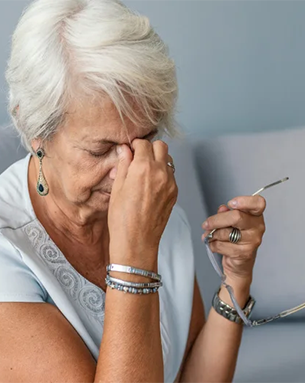
Normal aging may include slower recall, occasionally misplacing keys, or forgett...See More
May 09, 2026

Supportive Care for Cognitive Wellness
Empowering Stability, Preventing Falls.

Guiding Care for Independent Living
.png)
Comprehensive Care for Body, Mind, and Spirit
.png)
.png)
.png)
.png)
.png)
About Us
Specialties Tailored for Senior Wellness and Independence






Stay informed with our latest updates, posts, announcements, and healthcare news
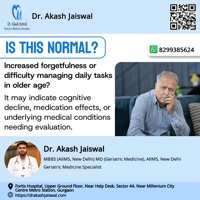
Normal aging may include slower recall, occasionally misplacing keys, or forgett...See More
May 09, 2026
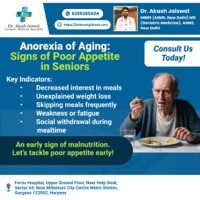
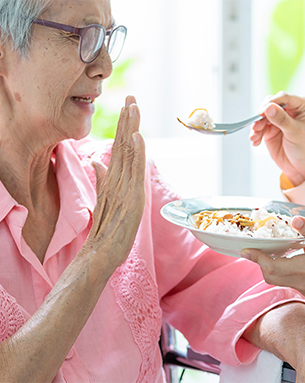
Anorexia of aging is a reduced appetite and food intake seen in older adults. It...See More
Apr 26, 2026
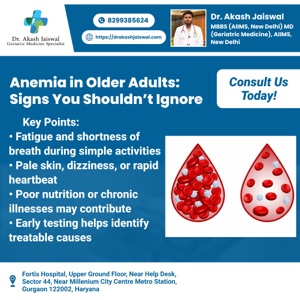
Anemia in older adults can appear as tiredness, weakness, pale skin, shortness o...See More
Apr 18, 2026
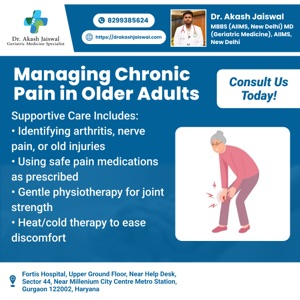
Pain management in the elderly requires a gentle, personalized approach. Aging b...See More
Apr 03, 2026
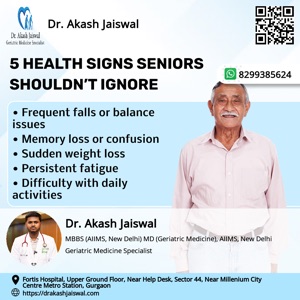
Meet a geriatrician if you're over 65 and experiencing complex health issues, mu...See More
Mar 14, 2026
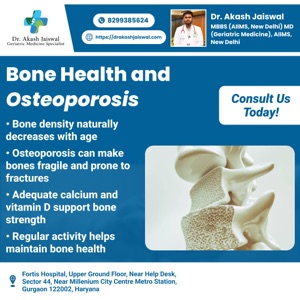
Osteoporosis in the elderly is diagnosed through bone density tests like DXA sca...See More
Mar 12, 2026

Obesity negatively impacts health, leading to issues like heart disease, diabete...See More
Mar 03, 2026
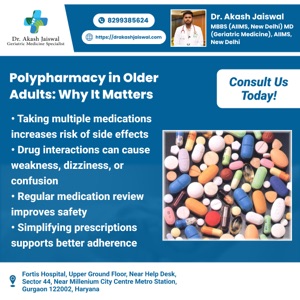
Polypharmacy in the elderly is a growing concern, involving the use of multiple ...See More
Mar 02, 2026
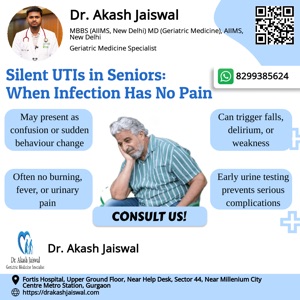
Urinary tract infections (UTIs) in the elderly can present atypically. Instead o...See More
Feb 28, 2026
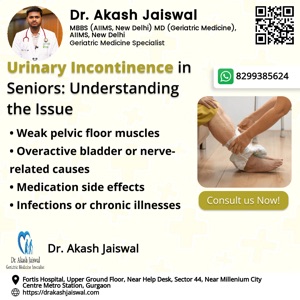
Urinary incontinence in the elderly is a common issue, often caused by weakened ...See More
Feb 27, 2026
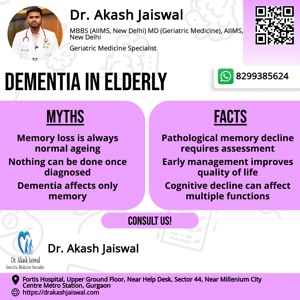
Dementia is often misunderstood. It's not a normal part of aging—it's a brain di...See More
Feb 26, 2026
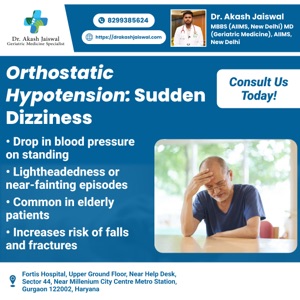
Orthostatic hypotension is a condition where blood pressure drops significantly ...See More
Feb 24, 2026
Geriatric Medicine Specialist
What our Patients says about us
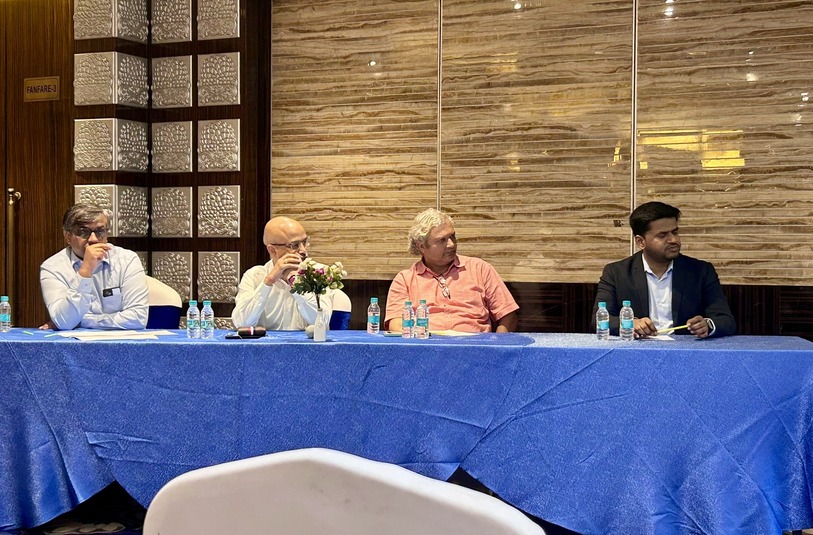
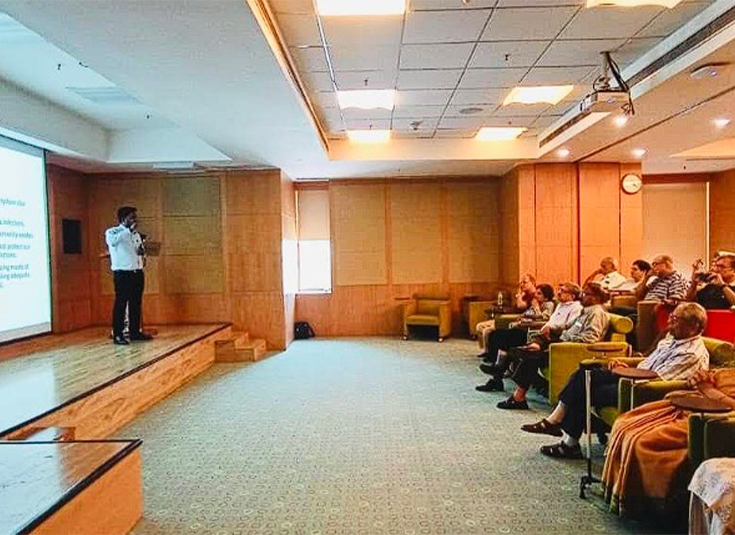
I was very fortunate to meet with Dr Akash Jaiswal, at a talk and discussion program arranged for the Elderly, in Gurgaon. Being a Geriatrician from the very prestigious, AIIMS ,New Delhi, we, Senior citizens, were eager to hear him. He spoke in a very kind tone and informed all , about the very essential factors we needed to be aware about and what steps to take and when to seek medical help regarding various medical upsets , commonly troubling us as we get older!... Ever since, he has been my doctor . Just listening to his very confident and precise advice for my leg pain and hormonal issues , post covid, due to anxiety troubles, was very reassuring!.. Dr Akash Jaiswal, listened to me very kindly and patiently !... I felt very happily , much better, after he heard me out!... Im feeling much better , ever since I began the prescribed medicines and supplements,.....and feel pain free!.... I would certainly and most emphatically reccomend an appointment with Dr Akash, especially , to all 50 plus Seniors in the Delhi NCR region and beyond, too! You would get the most intelligent and precise treatment for all and any health issue !.

Thank You Doctor. I am very grateful for making a difference in my life through a balanced medication, exercise and balanced diet. Your kind support for making me comfortable, understanding my medical issues, attending the illness. On follow-ups giving me time and advising on prescription. Your thorough knowledge made me feel comfortable in every respect. Thanks You....
Dr. Akash is really knowledgeable and go above and beyond for his patients with on-call, whatsapp support along with walk in consultation. He explains everything really well and don't prescribe medications or tests that aren't necessary unlike many other doctors. He explains the problems and the medications or exercise in details.
Dr. Akash Jaiswal provides me excellent experience. He takes time whenever you required, listen each and every concern and guides with proper medical care. He has given proper time to listen the problem and explain each medical care with poper reason. I am greatful for his concern, way of treating his patience is exceptional.
Dr. Akash Jaiswal is incredible and very caring doctor. He takes time to listens to each concern by the patient and provides outstanding medical care. He has taken great care of my mother in every possible way (online & face to face) and make sure the continuum of care through follow-up visit. I highly recommend him to anyone looking for a holistic treatment for their loved ones and parents.
My father was misdiagnosed with Parkinson's by another Doctor and he struggled with wrong ineffective medications for months. But then we met Dr. Jaiswal. He listened to all the problems attentively, made the correct diagnosis, removed unnecessary medications and put my father on the path to recovery. The improvement has been remarkable! We're grateful for his compassion, expertise, and willingness to take the time to understand my father's situation.
Dr. Akash provides exceptional care with a deep understanding of the unique health needs of older adults. His approach is both compassionate and comprehensive, ensuring that all aspects of health and well-being are addressed. I highly appreciate his dedication to improving the quality of life for his patients through personalized treatment plans and attentive follow-ups. Highly recommended for anyone seeking a specialist who truly values the health and comfort of the elderly.
Dr. Akash is an exceptional geriatrician who provides top-notch care to the elderly community. His expertise in managing complex health issues is commendable, and his ability to create a comfortable and understanding environment is unparalleled. Dr. Akash's bedside manner is particularly noteworthy; he treat each patient with the utmost respect and kindness, making every visit a reassuring experience. I wholeheartedly recommend Dr. Akash for anyone seeking a skilled and compassionate geriatric care specialist.
Exceptionally polite and an amazing doctor for elder members of our family. I have consulted him many times and each time his approach was just class apart! He is very empathetic towards old patients and I have seen people getting a sense of satisfaction as his diagnosis and treatment is very accurate.
Thank you, Dr. Akash Jaiswal, for your attentive and compassionate care. Your expertise and clear communication have greatly benefited our family's health and peace of mind.
Our Latest Videos



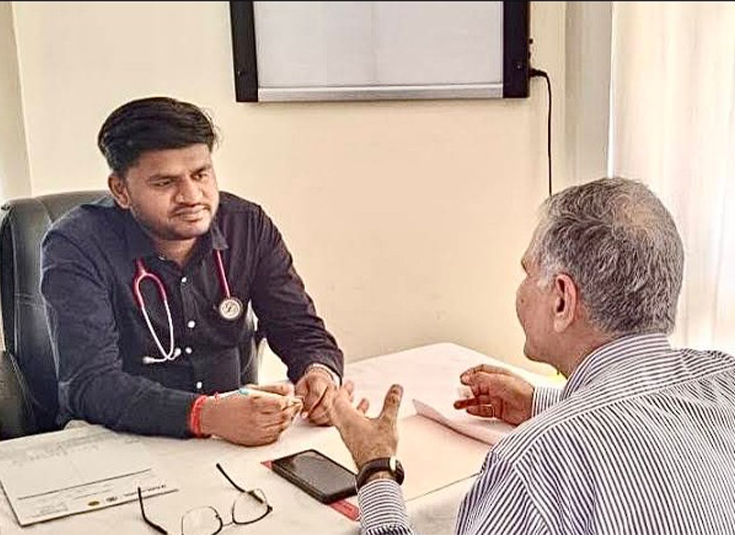
Geriatric Medicine is a specialized branch of medicine focused on the health and well-being of older adults. A Geriatrician is a doctor trained to manage age-related conditions such as memory loss, multiple chronic diseases, falls, frailty, and medication-related issues. The goal is to improve quality of life, maintain independence, and support healthy aging.
Anyone aged 60 years and above—especially those with multiple health problems, memory issues, frequent falls, medication complications, or functional decline—can benefit from seeing a Geriatrician. It’s ideal for seniors who need personalized, coordinated, and holistic care to maintain their health and independence.
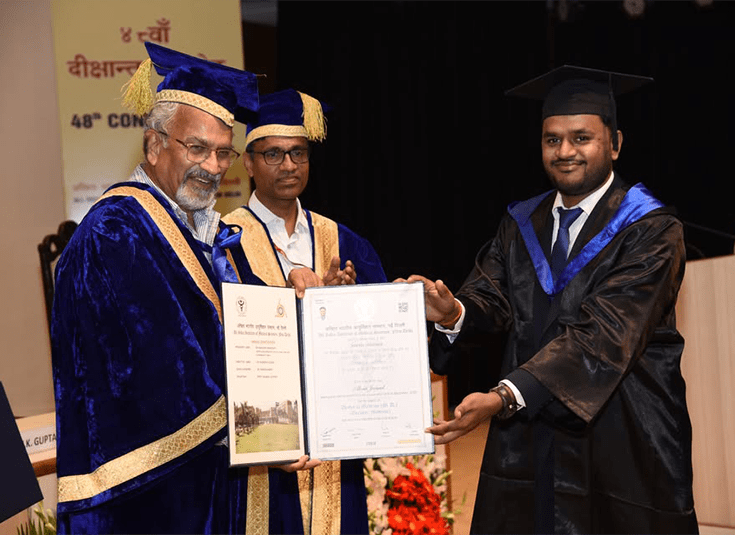
Dr. Akash Jaiswal is among the few Geriatricians in India with over 12 years of specialized training from AIIMS Delhi, including MBBS, MD in Geriatric Medicine, and a 3-year Senior Residency. With a strong focus on holistic elder care, research, and public awareness, Dr. Akash is known for his compassionate approach, clinical expertise, and dedication to improving quality of life for older adults.
Yes. While Geriatricians are specially trained to treat complex conditions associated with old age, they are also well-equipped to manage common medical problems seen in younger patients—especially those with multiple health issues, early-onset conditions, or a need for comprehensive, coordinated care.
A senior health expert enhances overall quality of life by offering holistic care tailored to the unique needs of older adults. This includes managing chronic diseases, preventing falls, optimizing medications, and addressing mental health and cognitive issues, all while coordinating comprehensive support services to maintain independence and well-being.
A Longevity Clinic focuses on comprehensive evaluations and personalized strategies to promote Healthy Aging. Services include lifestyle counseling, nutritional guidance, preventive screenings, and management of chronic ailments. The aim is to enhance longevity and quality of life by addressing the unique needs of seniors and promoting an active, healthy lifestyle.
A Comprehensive Geriatric Assessment (CGA) is a multidimensional evaluation of a senior’s medical, psychological, and functional capabilities. It includes a detailed review of physical health, cognitive function, mental well-being, social circumstances, and living environment to tailor an individualized care plan that enhances their quality of life and independence.
Polypharmacy refers to the use of multiple medications by a patient, common in the elderly due to multiple chronic conditions. A geriatric specialist addresses this by conducting regular medication reviews, evaluating potential drug interactions, and working with patients and other healthcare providers to optimize medication regimens, ensuring safety and efficacy.
Treatments for Osteoporosis and Osteoarthritis in seniors include medications, dietary changes, and physical therapy to enhance bone density and joint function. A geriatric specialist may also recommend lifestyle modifications, exercise programs, and pain management strategies to reduce symptoms and improve mobility.
Preventive Care plays a vital role in senior health by providing vaccinations and health screenings aimed at early detection of diseases. Regular check-ups, lifestyle counseling, and vaccinations for influenza, pneumonia, and shingles help prevent illness, maintain health, and promote longevity in the elderly population.
Nutritional Management for Older Adults involves assessing dietary needs and addressing common issues like malnutrition, weight loss, and nutrient deficiencies. A tailored nutritional plan, often including supplements and fortified foods, supports optimal health, enhances recovery from illness, and improves overall quality of life for seniors.
CGA stands for Comprehensive Geriatric Assessment. It is a detailed evaluation of an older adult’s physical health, mental status, functional abilities, medications, nutrition, and social support. The goal is to create a personalized care plan that improves quality of life, maintains independence, and prevents future health issues. It’s a key tool used by Geriatricians to deliver holistic and effective care for seniors
Infection Management in Seniors is crucial due to the age-related decline in immune function, making them more susceptible to infections. A geriatric specialist focuses on early identification, prevention, and treatment of infections through vaccinations, hygiene education, and prompt medical interventions to avoid complications and hospitalizations.
Fall and Mobility Care for older adults involves assessing risk factors, such as balance issues and environmental hazards, and implementing interventions like physical therapy, exercise programs, and home modifications. The goal is to prevent falls and enhance mobility, thereby maintaining independence and reducing injury-related hospitalizations.
Common Neurological Conditions in the Elderly include Alzheimer's disease, Parkinson's disease, stroke, and neuropathy. A geriatric specialist addresses these conditions by conducting thorough assessments, prescribing appropriate treatments, and coordinating multidisciplinary care to improve neurological health and patient outcomes.
A geriatric specialist can assist with Memory and Dementia Care by performing comprehensive evaluations, managing medications, providing cognitive therapies, and offering support to caregivers. This involves creating individualized care plans to slow cognitive decline, enhance day-to-day functioning, and support the well-being of both the patient and their family.
Chronic Disease Management for seniors involves a tailored approach to managing long-term conditions such as diabetes, heart disease, and hypertension. This includes regular monitoring, medication management, lifestyle modifications, and coordination with other healthcare professionals to ensure optimal control of these diseases, aiming to improve quality of life and reduce hospital visits.
 Address :Fortis Hospital, Upper Ground Floor, Near Help Desk, Sector 44, Near Millenium City Centre Metro Station, Gurgaon 122002, Haryana